Comparing German Solar Power with South Africa
Germany, a country not well known for massive amounts of
sunshine, even in summer, is a country South Africa can look up to when it
comes to Solar Power. The Germans, like a few other European countries, were
some of the first to recognise the value of going green. Despite the challenges
of limited sunlight, the opposite of South Africa, solar power has become a
prominent part of energy production in recent years. Why has this not been so
in South Africa?
Nearly all of Germany Powered by the sun
In Germany, recent statistics show that on 30th
April 2017 85% of the country was powered by renewable resources of which Solar
Power played an important part. It seems impossible but the drive to produce
power from renewables such as Solar Power has been a major drive in the country
with both domestic and commercial users buying in. Germany is considered one of
the most renewable energy powered countries in the world with Solar Power being
by far the greatest contributor.
Germany has a growing number of large factories and
industrial parks powered only by solar energy. The country has the highest
penetration of rooftop solar panels anywhere in the world and is now able to
theoretically supply more power than the country needs purely from renewable
energy. This is phenomenal considering Germany has less sunlight than South
Africa, with some months recording less than 10 hours per day. Germany also has
limited space where solar farms can be created and yet the density of panels is
greater than almost anywhere on earth.
Germany has succeeded in producing more than sufficient
power from Solar Energy despite challenges and yet, in a climatically ideal
country like South Africa Solar has struggled. How is this so?
The German Story
In 2017, a German think tank presented Germany's experiences
with Solar Power to various audiences in
South Africa. Two factors arose as to why South Africa is stalling in moving
faster towards Solar Power.
Expensive Power Source
The first factor Germany saw was the perceived cost of Solar
Power versus other sources of energy. Solar Power for many in South Africa is
perceived as a luxury item that takes a number years to pay off for which one
must have capital to spend or access to finance. With this in mind the South
African market has been baffled, leading business especially, to see Solar Power
as a less than viable, expensive power source. This is not true, as Germany has
proven where power generation cost using Solar is vastly more efficient than aging coal fired power stations and the controversial nuclear power.
Lack of Political Will
The second factor, and by far the biggest stumbling block
for South Africa pushing ahead with Solar Power, is political will power. Eskom,
a government controlled power producer needs to be kept alive and a lack of
understanding and long term visions mean South Africa is considering spending
trillions of unaffordable Rands on Nuclear Power. This makes little sense, especially when looking at Germany who, by relying on investment and continued penetration of Solar Power, aim to have all nuclear power plants closed by 2022.
If Germany can see the benefits and long term savings both
financially and environmentally surely South Africa should be able to. If
Germany can power a country using Solar Energy as a major contributor then
South Africa can. Solar Power should become less of a “how much will is cost
today” power source in South Africa and
become a “How much will I save tomorrow” minded power producer and consumer.
For this reason, Which Solar is here to help and you can see how much you can
save with our simple
calculator. So, think like the Germans and see how much
you can save tomorrow and begin making the change to Solar Power today.
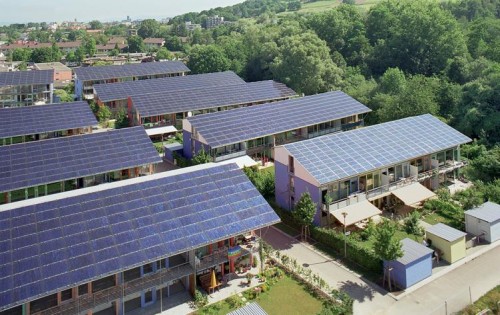
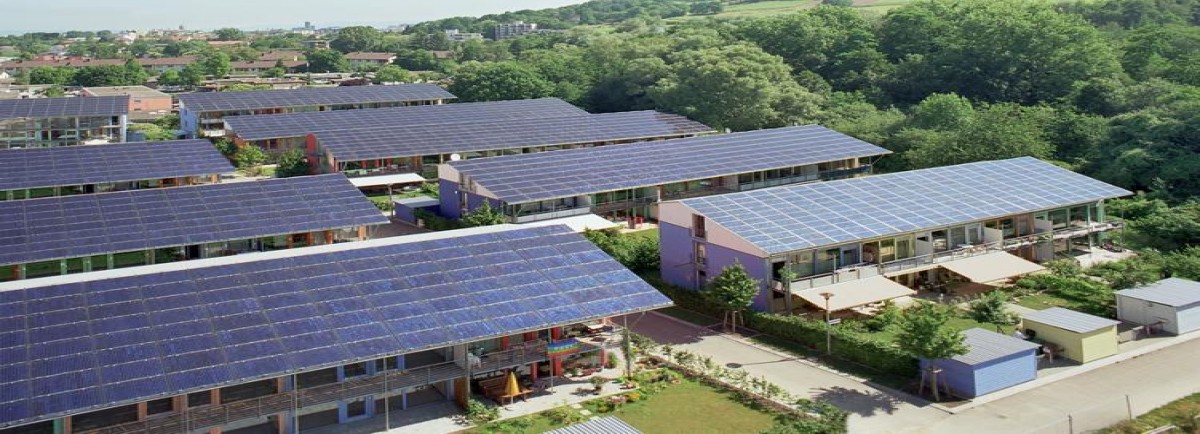
Image: Sonnenschiff Solar City in Freiburg, Germany.